
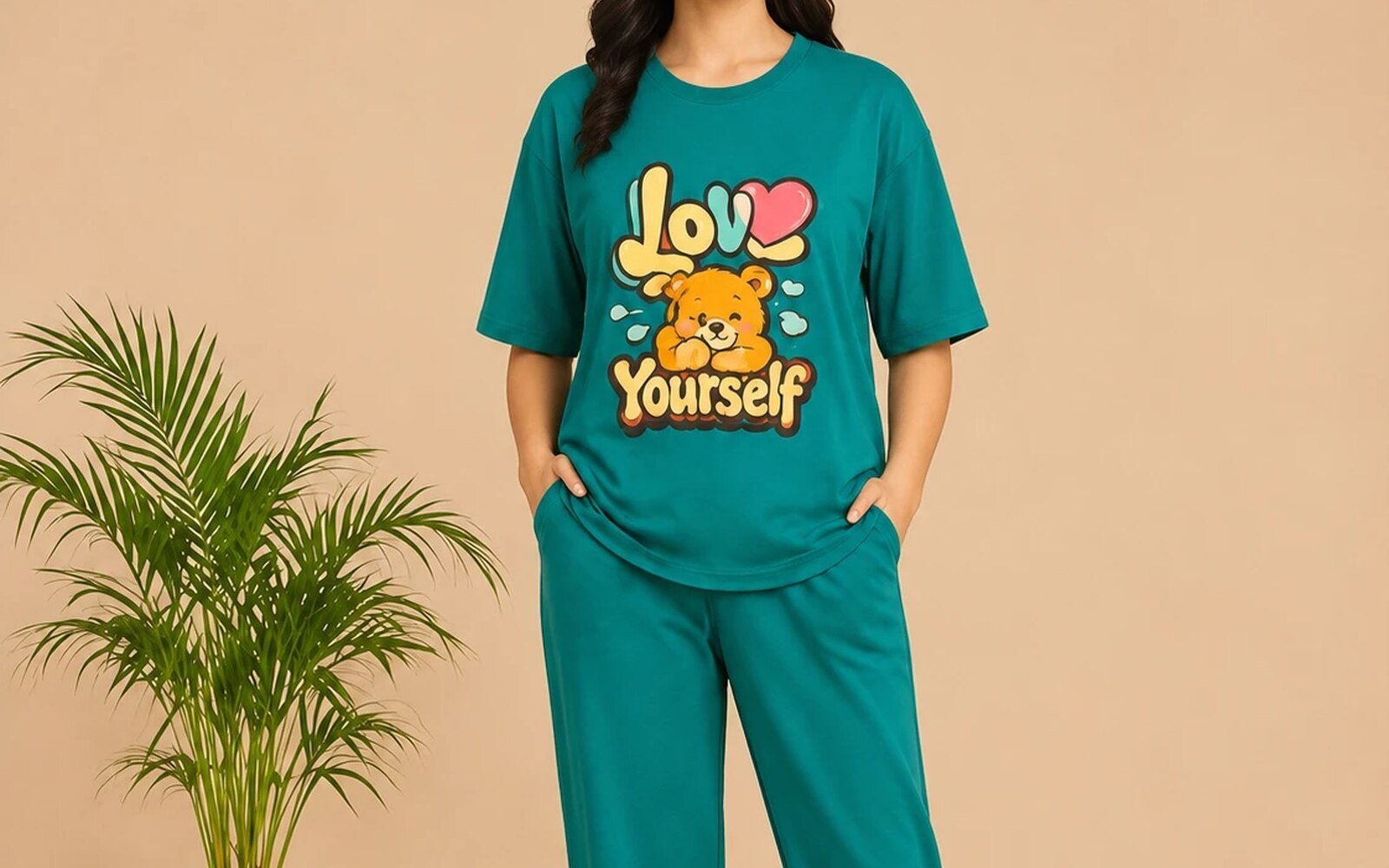
Whether an order is a single sample or a full bulk production run, it moves through the same five stages on our floor in Dhaka. Each stage has its own checks, so problems are caught early instead of at the end.
Key takeaways
- Every order follows five stages: sampling, cutting, printing, sewing, finishing.
- Each stage has specific checks, from shade separation to stitch density.
- Eight production lines, four knitwear and four woven, run under one roof.
1. Sampling
Nothing goes into bulk until it is approved. Sampling runs from a proto sample to a fit sample, a size set sample and a pre-production (PP) sample. Each one lets you confirm design, fit and measurements before production begins.
2. Cutting
Cutting follows the approved marker, the layout that fits each pattern piece onto the fabric. Pieces are separated by shade band, so colour stays consistent across a garment and across an order.
3. Printing
For printed styles, checks cover print registration accuracy, making sure there is no colour bleeding, and that the curing temperature is tested. Proper curing is what keeps a print from cracking or washing out.
4. Sewing
In sewing, stitch density is held at 10–12 stitches per inch (SPI), seams are checked for puckering, and elastic is distributed evenly so waistbands sit and stretch properly.
5. Finishing and bulk production
Finishing covers clean thread trimming, final pressing and a measurement check before packing. Only then does the order move on to packing and shipment.
One standard, two types of production
Our floor has eight dedicated production lines: four for knitwear and four for woven garments. Indicative capacity is 60,000–80,000 pieces a month for knitwear and 40,000–60,000 for woven, subject to style complexity, fabric, quantity and production planning. The same quality standard applies whether the order is a retail piece or an export shipment.
Want to see how this applies to your project? Read about our manufacturing or request a quote.
Frequently asked questions
What is a PP sample?
A pre-production sample is the final approval sample made before bulk production begins, so you can confirm everything matches the agreed specification.
What does SPI mean?
SPI is stitches per inch. A steady stitch density of 10–12 SPI is maintained in our sewing stage for consistent seam strength and finish.
Do you produce both knitwear and woven garments?
Yes. We run four knitwear lines and four woven lines under one roof in Dhaka.
Related articles
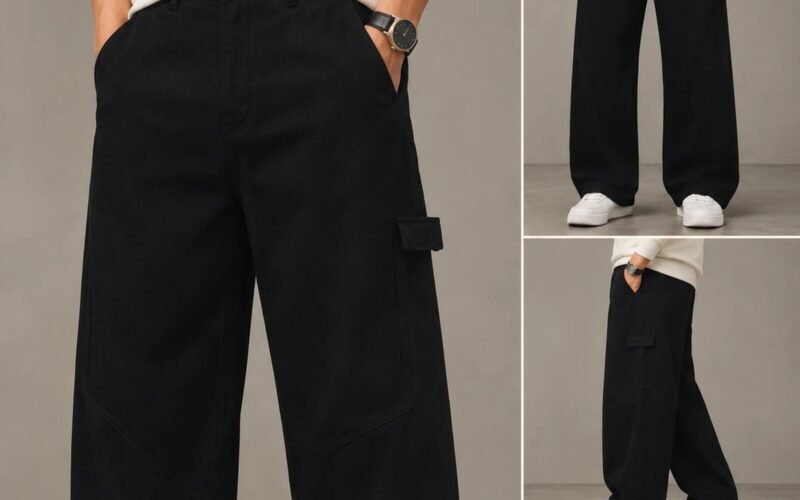
Menswear at UniPosh Ah: Starting With the Wide-Leg Utility Cargo
Our men’s line begins with one style: a relaxed wide-leg cargo in garment-washed cotton twill, in four colours. Here is what goes…
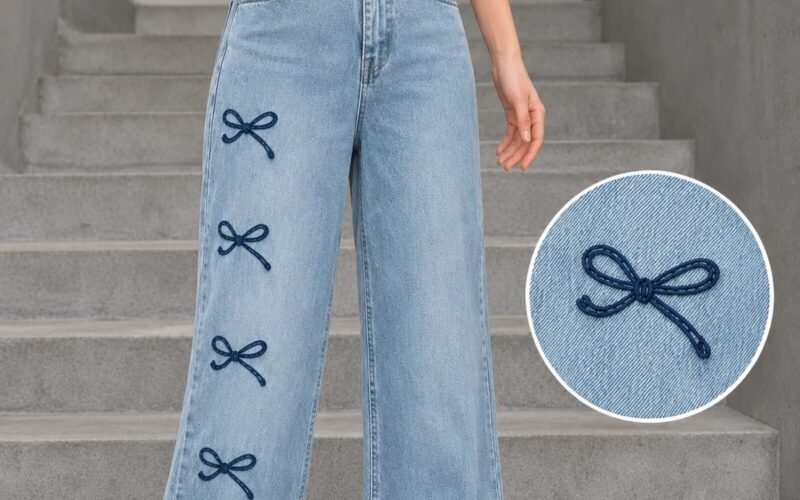
OEM vs ODM vs Private Label: Which Is Right for Your Brand?
Three ways to make apparel under your own brand. Here is what OEM, ODM and private label each involve, and how to…
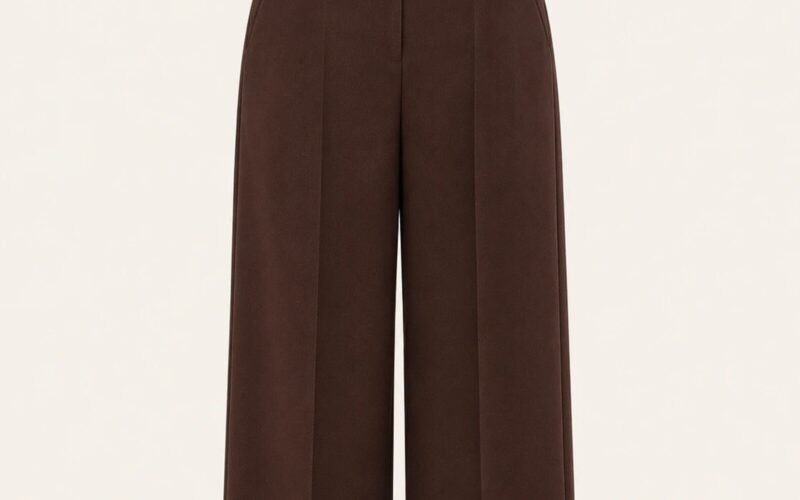
Quality Starts With the Right Material: How to Read a Fabric Spec
GSM, composition and shrinkage tell you more about a garment than its photo. Here is how to read them, with real examples…