
A garment’s spec sheet tells you more than its photo. Before you place an order, three details decide how the finished piece will look, feel and last: fabric weight (GSM), composition, and how the fabric behaves in the wash.
Key takeaways
- GSM is fabric weight in grams per square metre. It signals structure, warmth and drape.
- Composition decides feel: cotton for breathability, polyester for shape, spandex for stretch.
- Shrinkage and colourfastness should be stated in writing, not assumed.
What GSM tells you
GSM stands for grams per square metre. A higher number means a heavier, denser fabric; a lower number means a lighter one. Neither is better. It depends on the garment. Lighter fabrics drape and breathe, while heavier ones hold structure and add warmth.
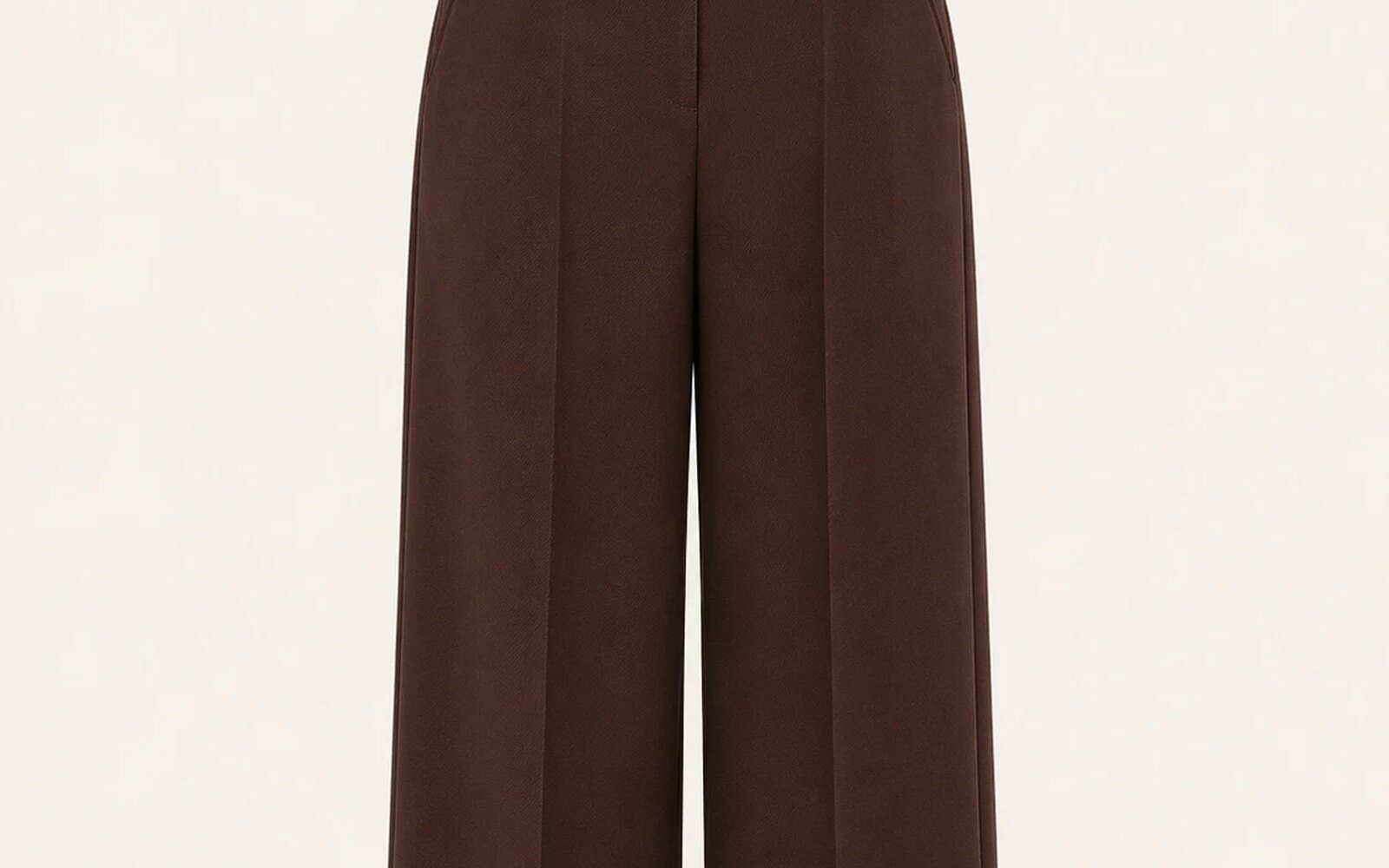
Across our own range you can see the difference clearly. Our kids’ cotton single-jersey tees sit at about 160–180 GSM, light and skin-friendly. Pull-on shorts in French Terry are about 220 GSM, with a soft looped inside. Our wide-leg tailored pants use a 240 GSM twill, and our brushed-fleece sweatshirts run at 260–280 GSM for warmth.
Why composition matters
Composition is the fibre blend, listed as percentages. It explains why two fabrics of the same weight can feel completely different.
Take our Wide-Leg Tailored Pants: a 240 GSM woven twill of 64% polyester, 33% rayon and 3% spandex. The polyester keeps the shape, the rayon gives a soft, fluid drape, and the spandex adds a touch of stretch for comfort. Our kids’ tees, by contrast, are cotton single jersey, chosen because cotton is breathable and gentle on skin.
Shrinkage and colourfastness
Two numbers protect you after the sale. Shrinkage tells you how much the fabric changes size after washing, and colourfastness tells you how well the colour holds. On our Princess Ruffle Dress, the fabric is rated Grade 4 for colourfastness on a 1–5 scale, with shrinkage below 5%, and the print is rated for 20 or more washes. Ask for the same kind of figures on any garment you source.
How we keep colour consistent in production
Fabric choice is only the start. On our production floor, cutting follows the approved marker, and pieces are separated by shade band so that colour stays consistent within a garment and across an order. That step matters most on larger runs, where fabric can vary slightly from roll to roll.
What to ask your supplier
- The GSM of each fabric, and the tolerance.
- The full composition, per colourway if it differs.
- Shrinkage and colourfastness ratings, and how they are measured.
- An approved sample before bulk production.
If you are planning a wholesale, private-label or custom order, send us your requirements and we will reply with fabric options and a quote.
Frequently asked questions
What is a good GSM for a kids’ t-shirt?
Cotton single jersey at about 160–180 GSM is a common choice, light enough to breathe and substantial enough to hold its shape.
Does a higher GSM mean better quality?
No. GSM only measures weight. The right weight depends on the garment: light for tees and dresses, heavier for fleece, twill and outerwear.
Can I choose the fabric for a custom order?
Yes. Custom fabric and colour are part of our OEM, ODM and custom production services. Share your specification and we will confirm what is possible.
Related articles
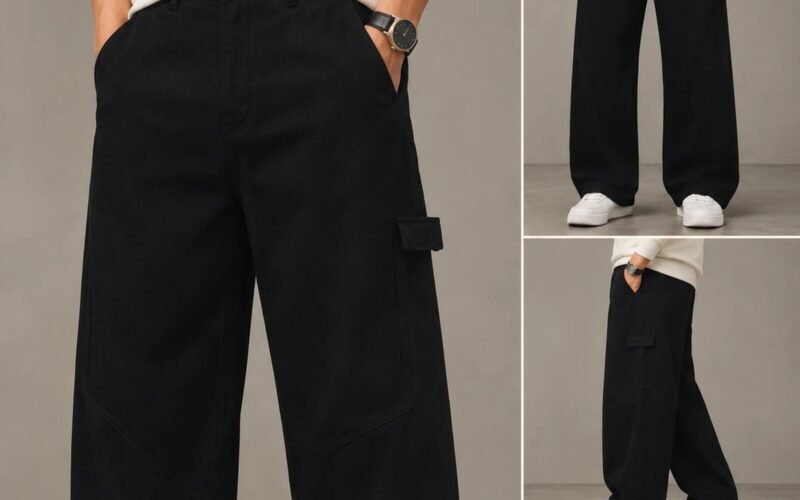
Menswear at UniPosh Ah: Starting With the Wide-Leg Utility Cargo
Our men’s line begins with one style: a relaxed wide-leg cargo in garment-washed cotton twill, in four colours. Here is what goes…
From Sample to Shipment: The Five Stages Every Order Follows
Sampling, cutting, printing, sewing and finishing: the checkpoints every UniPosh Ah order passes through, whether it is one sample or a full…
OEM vs ODM vs Private Label: Which Is Right for Your Brand?
Three ways to make apparel under your own brand. Here is what OEM, ODM and private label each involve, and how to…